
Listen to this article
Use the audio reader to listen while you read.
IRJAR | Interdisciplinary Research Journal & Archives
From revolutionary gene-editing therapies to personalized cancer vaccines, medical science is entering a remarkable new era. Yet one critical question remains: Will these breakthroughs improve healthcare for everyone, or only for those who can afford them?

10
Medical science is advancing at an extraordinary pace. Treatments that seemed impossible just a decade ago are now being tested in clinical trials, and some are already changing the lives of patients with previously difficult-to-treat conditions.
In 2026, some of the most promising developments have emerged in gene editing, personalized cancer treatment, and precision medicine. Scientists are developing technologies that can modify disease-related genes, train the immune system to recognize cancer cells, and target illnesses according to their molecular characteristics.
These discoveries offer enormous hope. However, they also raise important questions about affordability, patient safety, medical ethics, and global healthcare inequalities.
For organizations such as the Interdisciplinary Research Journal & Archives (IRJAR), which advocates for inclusive scientific research and knowledge sharing, these developments deserve attention not only because of their scientific significance but also because of their potential implications for humanity.
1. CRISPR Gene Editing: Treating Diseases at Their Genetic Roots

One of the most exciting developments in modern medicine is the continued advancement of CRISPR, a technology that allows scientists to make targeted changes to DNA.
Traditionally, doctors have treated genetic disorders by managing symptoms and complications. CRISPR offers a fundamentally different approach: intervening in the biological mechanisms responsible for certain inherited diseases.
A particularly promising development in 2026 involves an experimental treatment called lonvoguran ziclumeran, also known as lonvo-z.
This therapy is being investigated for hereditary angioedema, a rare genetic condition that can cause painful swelling and potentially life-threatening attacks affecting the airways.
Unlike earlier gene-editing treatments that require cells to be removed from the body, modified in a laboratory, and returned to the patient, lonvo-z is designed to edit genes directly inside the body.
In a phase 3 clinical trial involving 80 participants, researchers reported a substantial reduction in the frequency of hereditary angioedema attacks.
Average monthly hereditary angioedema attacks
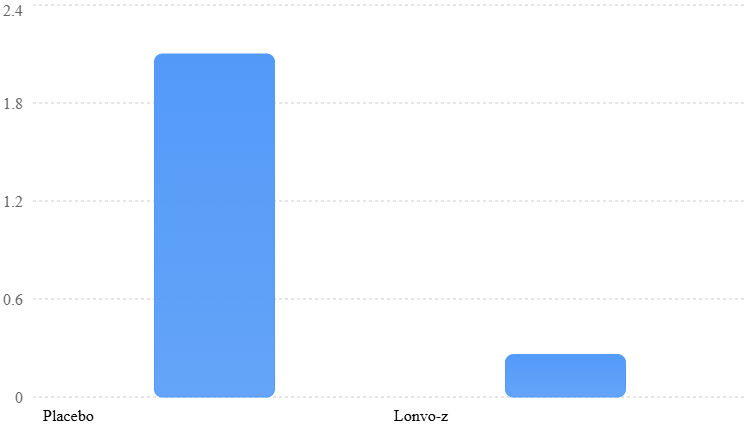
Approximately 87% relative reduction in the average monthly attack rate during the main assessment period. Source: Cohn et al., New England Journal of Medicine (2026).
These findings suggest that a single gene-editing intervention could potentially provide long-lasting benefits for some patients.
Nevertheless, researchers must continue evaluating long-term safety, including possible unintended genetic changes. As of November 2026, the treatment remained under regulatory evaluation in the United States.
The significance of this discovery extends beyond hereditary angioedema. It demonstrates how medicine is moving toward interventions that address the molecular origins of disease rather than merely controlling symptoms.
2. Sickle Cell Disease: A Medical Breakthrough With Enormous Implications for Africa
Sickle cell disease remains a major public health challenge, particularly in sub-Saharan Africa.
This inherited blood disorder affects the production of hemoglobin, causing red blood cells to become abnormally shaped. Patients may experience severe pain, chronic anemia, organ damage, and other potentially life-threatening complications.
For many families, managing the disease requires repeated hospital visits, ongoing medication, and significant financial resources.
In April 2026, researchers published encouraging findings in the New England Journal of Medicine involving an experimental gene-editing treatment called renizgamglogene autogedtemcel, or reni-cel.
The treatment uses CRISPR-Cas12a technology to increase fetal hemoglobin production, helping reduce the biological processes responsible for sickle cell complications.
In the reported study, 27 of 28 participants experienced no vaso-occlusive crises during the relevant follow-up period.
Although these results are promising, the study was relatively small and did not include a randomized comparison group. The treatment’s development program had also been discontinued for strategic reasons unrelated to the reported efficacy findings.
Why this discovery matters for Africa
Imagine the potential impact of effective genetic treatments on families living in the Democratic Republic of the Congo, Nigeria, Ghana, Uganda, or other countries where sickle cell disease presents substantial health challenges.
For many patients, the possibility of reducing or preventing painful crises could mean fewer hospitalizations, better educational opportunities, improved employment prospects, and a higher quality of life.
However, scientific discovery does not automatically translate into medical accessibility.
Gene-editing therapies can require highly specialized hospitals, advanced laboratories, trained medical personnel, and prolonged patient monitoring.
These requirements create substantial barriers for healthcare systems already struggling with limited infrastructure and financial resources.
The next challenge for governments, international health organizations, and pharmaceutical companies is therefore to develop affordable and sustainable pathways for delivering these innovations to populations that need them most.
A medical breakthrough that remains inaccessible to millions of patients cannot fully realize its potential contribution to global health.
3. Personalized Cancer Vaccines: Teaching the Immune System to Fight Cancer

Cancer treatment has evolved significantly over recent decades.
Surgery, chemotherapy, and radiation therapy remain essential tools in oncology. However, advances in immunotherapy have introduced new approaches that use the body’s immune system to recognize and attack cancer cells.
One particularly promising development involves personalized therapeutic cancer vaccines.
Unlike conventional vaccines designed to prevent infectious diseases, these treatments are developed to help the immune system recognize specific characteristics of a patient’s cancer.
Scientists analyze genetic mutations within a tumor and identify abnormal proteins known as neoantigens. This information can then guide the development of a vaccine tailored to that patient’s disease.
In November 2026, research developments involving an experimental personalized messenger RNA vaccine called intismeran autogene attracted attention.
The vaccine was evaluated in combination with an immune checkpoint inhibitor for patients with melanoma who had undergone surgery.
42%
Relative reduction in the risk of recurrence or death
Reported for the combination treatment compared with the checkpoint inhibitor alone in a phase 3 melanoma trial discussed in 2026.
This result is encouraging, but it does not mean that 42% more patients were cured. Relative risk reductions must be interpreted alongside absolute outcomes, follow-up duration, and potential treatment-related complications.
Researchers are also exploring personalized vaccines for ovarian cancer and other malignancies.
These developments could eventually transform oncology by allowing treatments to be designed around the molecular characteristics of individual tumors.
Yet several challenges remain, including manufacturing costs, treatment timelines, access to genetic sequencing, and the availability of specialized cancer centers.
4. Precision Medicine: Moving Beyond One-Size-Fits-All Treatments
For generations, patients diagnosed with the same disease have often received similar treatments, even when their underlying biological conditions differed.
Precision medicine challenges this traditional approach.
Instead of relying exclusively on a disease’s general diagnosis, physicians increasingly examine genetic mutations, molecular biomarkers, and other individual characteristics to determine which treatment may be most effective.
In oncology, for example, two patients diagnosed with lung cancer may have tumors driven by different genetic alterations.
A medication effective against one molecular subtype may provide little benefit against another.
During 2026, the U.S. Food and Drug Administration continued approving targeted treatments for selected cancers and other serious conditions.
One example is neladalkib, approved in November 2026 for certain patients with advanced ALK-positive lung cancer who had previously received specified treatments.
Such developments demonstrate how pharmaceutical research is becoming increasingly specialized.
Nevertheless, precision medicine also depends on access to sophisticated diagnostic technologies. Without reliable molecular testing, patients may be unable to determine whether they qualify for potentially beneficial treatments.
This creates another important equity challenge: scientific progress must be accompanied by investments in diagnostic infrastructure.
5. The Ethical Challenges Behind Medical Innovation
Medical breakthroughs generate excitement, but responsible scientific progress requires more than promising clinical results.
Gene editing, for example, raises questions about unintended genetic changes, long-term monitoring, and the consequences of interventions that may be irreversible.
Personalized cancer treatments introduce concerns about protecting patients’ genetic information and ensuring that sensitive medical data are used responsibly.
Another challenge involves the representation of diverse populations in clinical trials.
If research participants are drawn predominantly from a limited number of countries or demographic groups, the findings may not fully reflect the experiences and biological diversity of the global population.
Researchers must also distinguish between early experimental success and treatments proven effective through rigorous clinical evaluation.
A promising laboratory discovery is not the same as a clinically validated treatment.
Similarly, a positive phase 1 study does not provide the same level of evidence as a well-designed, adequately powered randomized phase 3 trial.
Maintaining these distinctions is essential for preserving public confidence in scientific research.
6. Will Medical Innovation Widen the Gap Between Rich and Poor Countries?

Perhaps the most important question surrounding medical innovation is not simply what science can achieve, but who will benefit.
Advanced treatments frequently emerge from research institutions in wealthy countries with substantial financial resources, sophisticated laboratories, and well-established healthcare systems.
Patients living in these countries may gain access to new treatments earlier than those in lower-income regions.
For many communities in sub-Saharan Africa, even basic diagnostic services, essential medications, and specialist consultations remain difficult to obtain.
Similar geographic challenges affect some remote and northern communities in Canada, including First Nations communities where transportation barriers, workforce shortages, and limited access to specialized services can complicate healthcare delivery.
These realities highlight an important distinction between medical innovation and healthcare development.
A technologically sophisticated treatment may represent a major scientific achievement. However, improvements in primary healthcare, disease prevention, medical education, and healthcare infrastructure can also produce substantial benefits.
Both forms of progress are necessary.
The importance of international scientific collaboration
Addressing global healthcare inequalities requires cooperation among universities, governments, research institutions, pharmaceutical companies, and local communities.
International partnerships can help strengthen laboratory capacity, expand clinical research opportunities, train healthcare professionals, and improve access to scientific knowledge.
Equally important is ensuring that researchers from underrepresented regions participate in setting research priorities.
African scientists and Indigenous researchers should not simply be recipients of discoveries made elsewhere. They should be active contributors to the development of scientific knowledge, healthcare technologies, and public health policies.
This approach can help ensure that medical innovation reflects the needs and experiences of diverse populations.
7. Why Scientific Publishing Matters More Than Ever
The rapid expansion of medical research creates both opportunities and challenges for academic publishing.
Every year, researchers publish enormous quantities of scientific information. However, not all studies receive equal international attention.
Researchers working in well-funded institutions often benefit from greater access to research networks, publication resources, and international conferences.
Meanwhile, scholars in less-resourced institutions may face barriers related to publication costs, language, infrastructure, and limited research funding.
This is where inclusive academic publishing platforms can make a meaningful contribution.
At IRJAR, promoting interdisciplinary research and amplifying underrepresented scholarly voices are central to the organization’s mission.
By encouraging research contributions from diverse academic and geographic backgrounds, platforms such as IRJAR can help broaden scientific discussions and make knowledge more accessible.
The future of medical research should not be determined exclusively by the institutions with the greatest financial resources.
It should also reflect the experiences, priorities, and intellectual contributions of communities whose perspectives have historically received less attention.
8. Conclusion: Medical Progress Must Become Human Progress
The medical developments reported in 2026 illustrate the extraordinary potential of modern biomedical science.
Gene-editing technologies are creating new possibilities for treating inherited diseases. Personalized cancer vaccines are advancing the field of immunotherapy. Precision medicine is helping clinicians develop more targeted treatment strategies.
These innovations offer genuine hope to patients and families worldwide.
However, their long-term significance will depend on more than scientific performance.
Healthcare systems must address affordability, safety, ethical responsibility, workforce development, and unequal access to treatment.
The greatest medical achievement is not necessarily the discovery of the most sophisticated technology. It is the ability to transform scientific knowledge into meaningful improvements in human health.
For researchers, policymakers, healthcare professionals, and academic institutions, the challenge is clear: the future of medicine must combine scientific excellence with social responsibility.
Ultimately, the defining question of the coming decades may not be whether humanity can develop revolutionary medical treatments, but whether it can ensure that their benefits reach those who need them most.
Scientific References and Further Reading
1. Cohn, D. M., et al. (2026). Lonvoguran ziclumeran — In vivo CRISPR gene editing in hereditary angioedema. New England Journal of Medicine, 395, 1471–1482. Read the study
2. Hanna, R., et al. (2026). CRISPR-Cas12a gene editing of HBG1 and HBG2 promoters to treat sickle cell disease. New England Journal of Medicine, 394, 1281–1291. Read the study
3. Mullard, A. (2026). Cancer vaccine development gets complicated. Nature Reviews Drug Discovery. Read the analysis
4. Ledford, H. (2026). New CRISPR therapy is poised to gain first FDA approval to alter genes inside the body. Nature. Read the article
5. U.S. Food and Drug Administration. (2026). Novel drug approvals for 2026. View FDA approvals
Editorial note: This is a science communication article based on published research, not an original clinical study or a peer-reviewed IRJAR manuscript. The clinical claims and references should receive editorial verification before publication.